

Ralph Vaughan Williams
Biography, works and influence.
Ralph Vaughan Williams (1872–1958) is the quintessential British composer, known for his evocative symphonies, folk music collecting and enduring legacy.
Who was Vaughan Williams?
Early Life
Ralph Vaughan Williams was born in 1872 in the pretty Gloucestershire village of Down Ampney. Though he received a cosmopolitan training, including studying with Max Bruch in Berlin and Maurice Ravel in Paris, he is regarded as one of the most quintessentially English of composers.
Finding Success
During the 19th century, Britain had often been dismissed as a ‘land without music’. Vaughan Williams was a significant figure in putting Britain back on the musical map, dedicating himself to challenging the fact that British composers were, as he put it, ‘unappreciated at home and unknown abroad’. He made a significant contribution to the development of almost every musical genre and produced a vast body of works that would stand the test of time. Some of his works are charming and immediately accessible, others more stylistically bold and ambitious. Vaughan Williams’ success paved the way for later British figures such as Benjamin Britten, while numerous present-day composers, including James Macmillan, Mark-Antony Turnage and Cheryl Frances-Hoad, have stated that Vaughan Williams influenced their work. He was a great advocate for women’s composition and taught many women students at the Royal College of Music.
The World in Vaughan Williams’ Day
Born in the Victorian age but living well into the era of the Welfare State, Vaughan Williams witnessed a tremendous amount of social, political and cultural change over the course of his long life. He lived through two World Wars, serving in France and Salonika in the First (when his hearing was damaged by the sound of constant gunfire) and writing music for propaganda films in the Second, something that reveals him to have been a modern figure who wasn’t afraid of responding to changing technology.
A Composer of Contradictions
Vaughan Williams is a figure of contradictions. Often seen as a cosy, conservative purveyor of nostalgia for a lost rural arcadia, he was in fact a politically left-leaning figure who saw himself first and foremost as a Londoner, campaigned for social justice, and wrote some decidedly forward-looking works. His music is often regarded as spiritual, yet he was a non-believer. He was a devotee of ‘serious’ literature, yet also an avid reader of Vogue. Those who knew Vaughan Williams well recalled a genial man, and orchestral musicians respected him, despite what was said to have been his rather ponderous conducting technique. On occasions where he became annoyed in rehearsal, he would apologise profusely afterwards. He could also be witty and self-deprecating: when asked by one player whether a note in the Fourth Symphony was correct, he replied, ‘Well, it’s B-flat. I know it looks wrong – and sounds wrong – but it’s right.’
Ralph Vaughan Williams
Born: 12 October 1872, Down Ampney, England
Died: 26 August 1958, Hanover Terrace, London, England
Contemporaries: Edward Elgar, Gustav Holst, Maurice Ravel, Benjamin Britten, Hubert Parry
Best known for: The Lark Ascending, A Sea Symphony, Tuba Concerto, Dona nobis pacem, Symphony No 5, Fantasia on a Theme by Thomas Tallis
The one piece you have to hear: Symphony No 3 ‘Pastoral’
Connection to the LSO: world premiere of the Fantasia on a Theme of Thomas Tallis with Vaughan Williams himself conducting, world premiere of the ‘London’ Symphony
Watch
Vaughan Williams’ music performed by the London Symphony Orchestra, at the Barbican and LSO St Luke’s.
Who inspired Vaughan Williams?
Having studied at Trinity College, Cambridge, the Royal College of Music and in Berlin, in 1907 Vaughan Williams relocated to Paris to study orchestration under Maurice Ravel. This period of study inspired one of his most prolific orchestral composition periods, with both A Sea Symphony and the Fantasia on a Theme of Thomas Tallis premiering in 1910.
Vaughan Williams’ studies and love of English folk song fertilised his talent and cemented his musical style as both personal and deeply English. He wrote many part-songs, including hymn and folk song settings alongside his stage work Hugh the Drover (1924), a ballad opera about English life. Much like nationalist composers such as Modest Mussorgsky or Manuel de Falla, Vaughan Williams utilised folk song as a fountain of native musical style.
His love of folk music was only strengthened with the outbreak of war in 1914. Mobilised in the army from 1916 until 1919, the war affected Vaughan Williams deeply, inspiring works such as his ‘Pastoral’ Symphony, a profoundly sorrowful expression of the pain of war. This is a direct comparison to the beautiful The Lark Ascending, for violin and orchestra, was composed in 1914. In its gentle, untroubled lyricism, it seems to capture the tranquillity of those languid summer days before the outbreak of war on 5 August 1914.
What are Vaughan Williams’ most famous pieces?
Orchestral Music
Over the course of a long career, Vaughan Williams tackled many genres, large and small, composing songs, ballets, choral works, operas and symphonies. He is particularly well known for evocative programme music that vividly depicts the rural landscape and wildlife (The Lark Ascending, The Wasps Overture). A Sea Symphony is an unusual symphony featuring a choir and soloists and is a thrilling evocation of the capricious faces of the sea, from serene to turbulent. Vaughan Williams takes a masterful approach to painting images through sound, drawing on nautical themes and experimenting with orchestration to create vivid colours and moods. His popular Symphony No 5 was written during World War II and calls to mind peace rather than conflict, albeit with moments of vivacity. Though the American composer Aaron Copland rudely likened listening to it to ‘staring at a cow for 45 minutes’, it is a work that often feels almost spiritual in its serenity.
Folk Music Influence
Vaughan Williams was passionately interested in traditional English folk songs and collected over 800 of them. This love for largely forgotten English music, led him to the discovery of Thomas Tallis’ psalm tune used throughout Fantasia on a Theme by Thomas Tallis, a gorgeous work for double string orchestra. Vaughan Williams develops this simple, modal theme combining the solemnity of Tudor music with the passionate expressivity of late Romanticism. It is a timeless piece, evoking the stillness and sense of wonder of an ancient building based on a tune by an almost forgotten Elizabethan composer.
Vaughan Williams wrote the Fantasia on a Theme by Thomas Tallis when he was a relatively young and little-known composer. The work was commissioned by the Three Choirs Festival for a concert at Gloucester Cathedral in 1910, which attracted 2,000 people – mainly drawn by the other piece on the bill, Elgar’s The Dream of Gerontius. Press critics were impressed, The Daily Telegraph calling the piece ‘extremely beautiful to such as have ears for the best music of all ages’. The young composers Herbert Howells and Ivor Gurney were in the audience and went into raptures about the new piece, Howells asking Vaughan Williams for his autograph. Only their teacher, Gloucester Cathedral’s organist, Herbert Brewer, struck a grumpy and discordant note, dismissing the Fantasia as a ‘mad work by an odd fellow from Chelsea’.
With the LSO
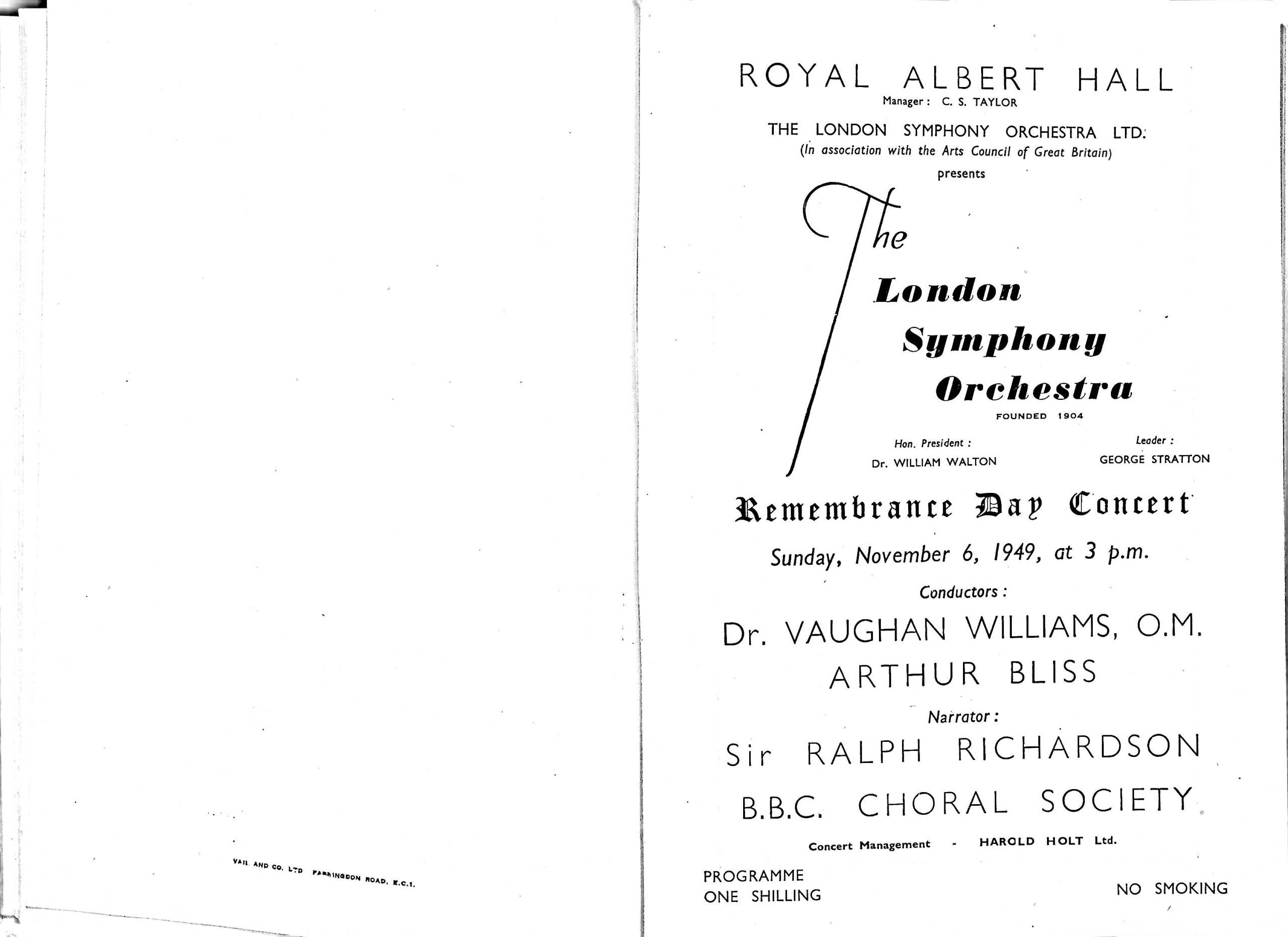
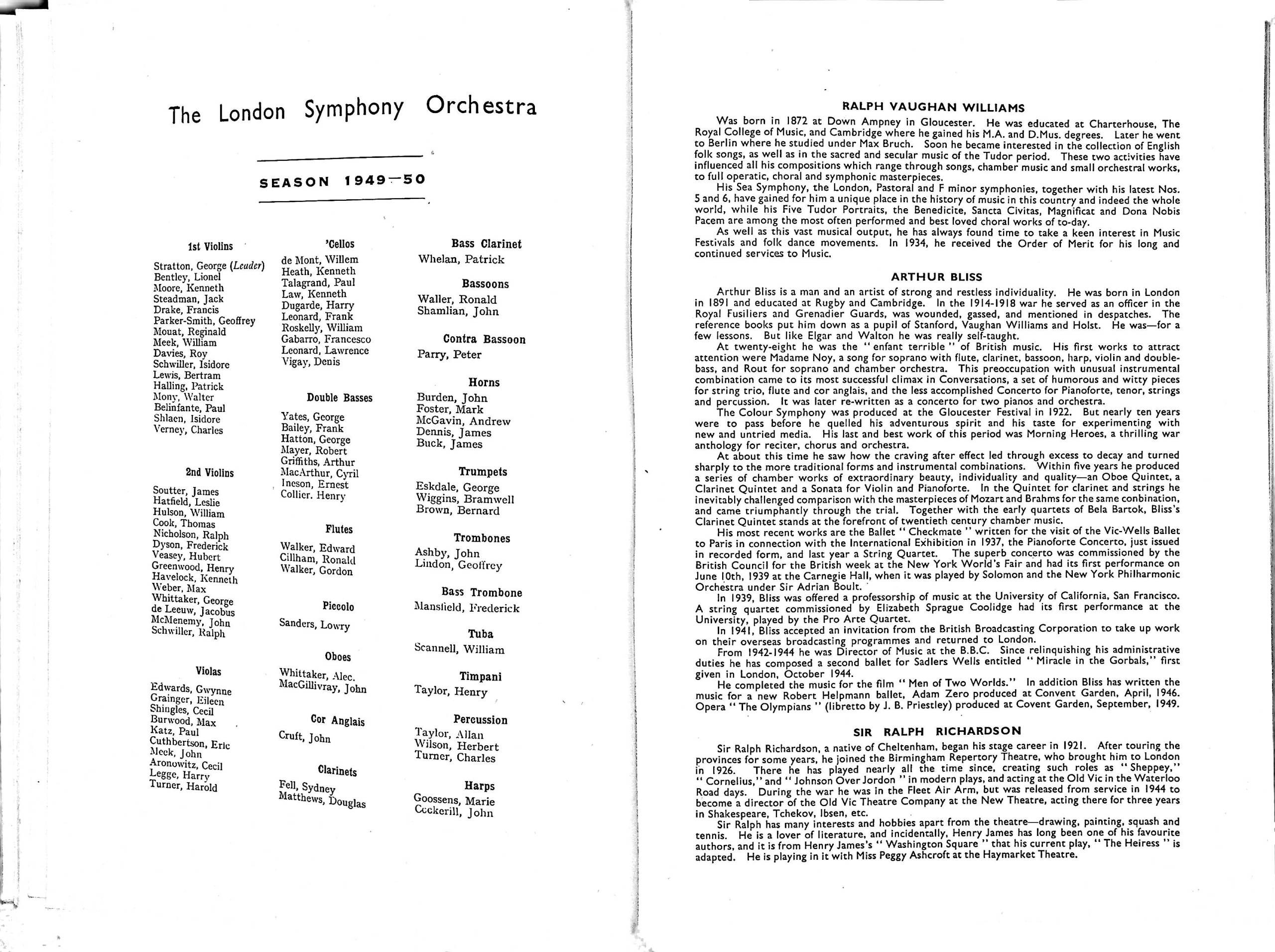
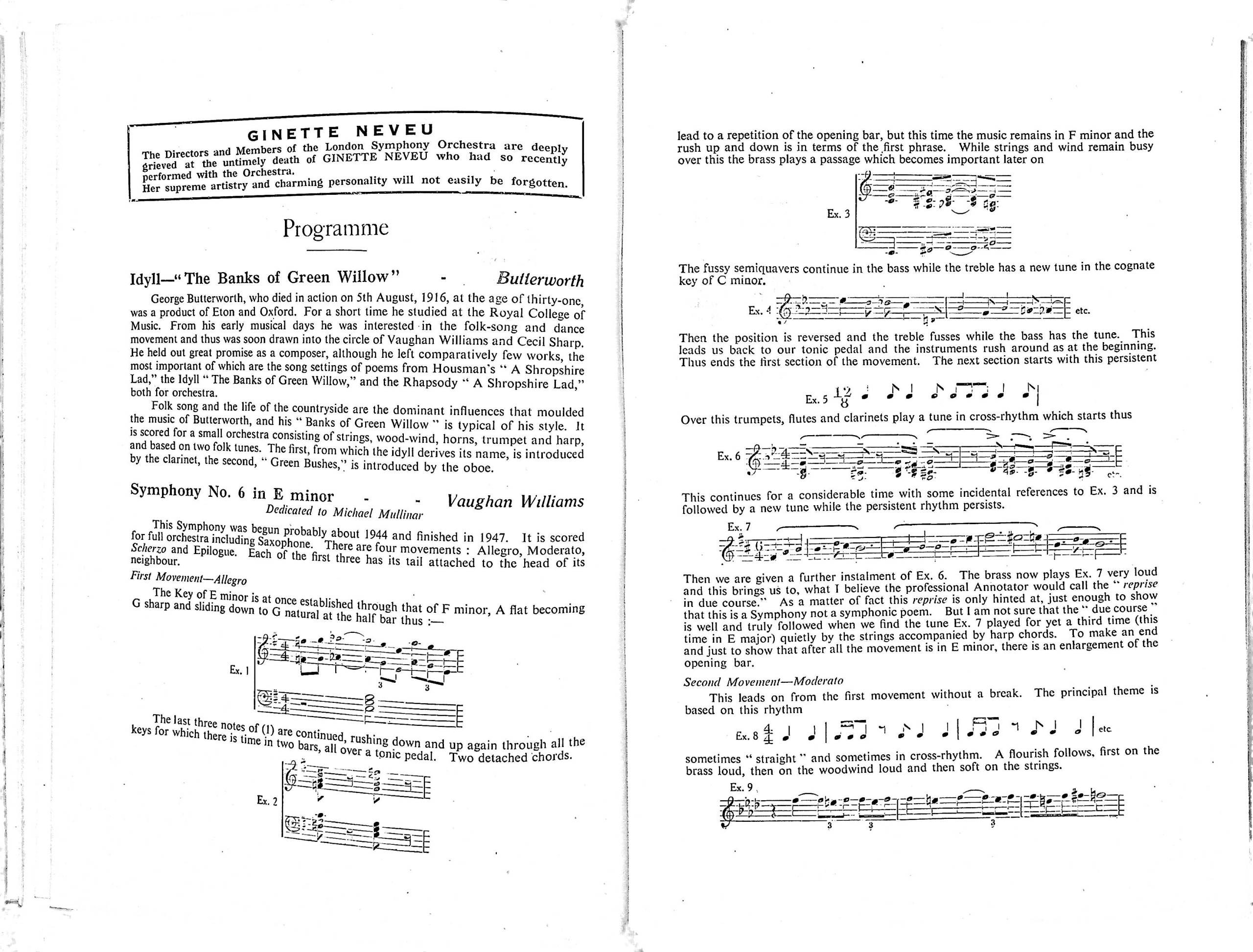
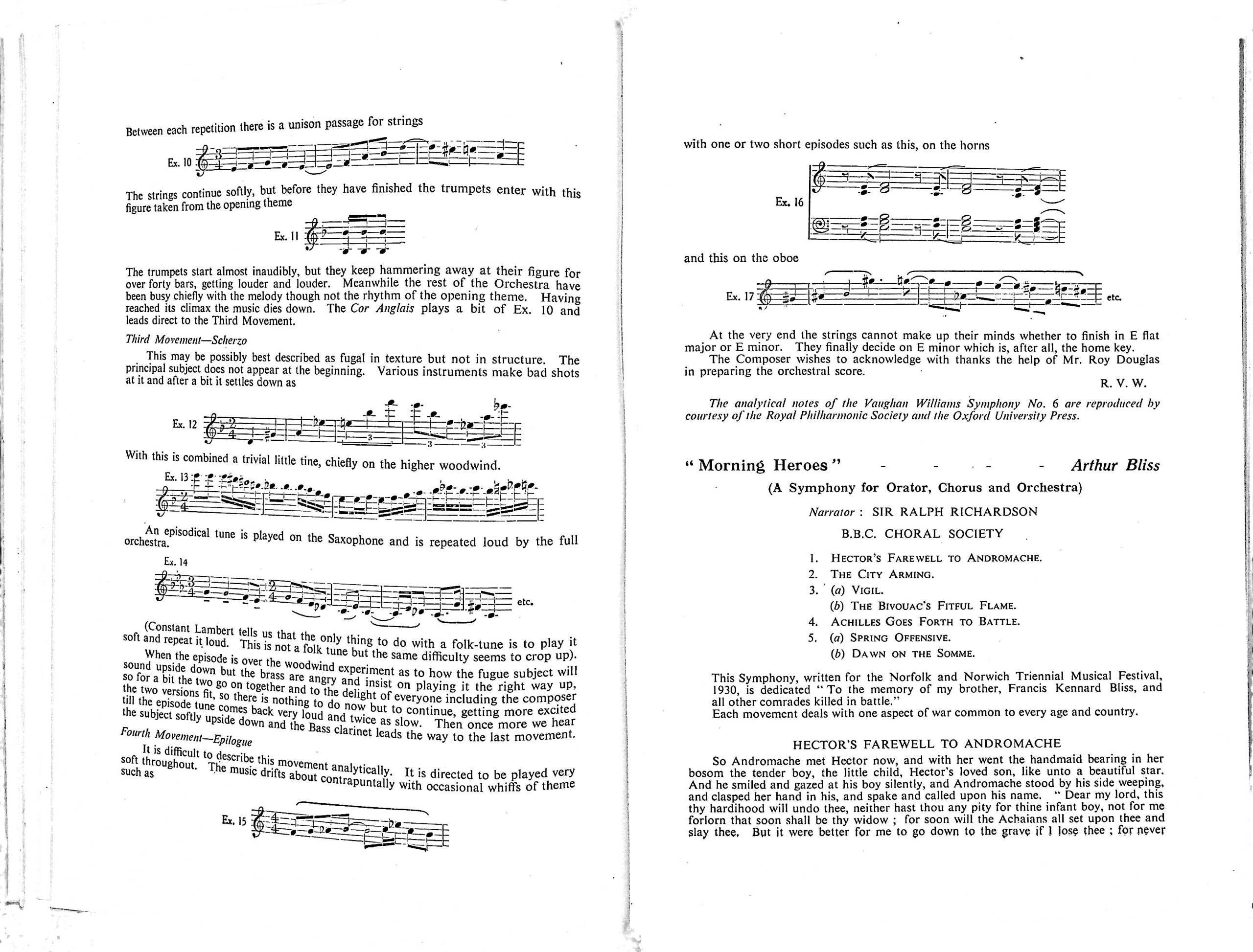
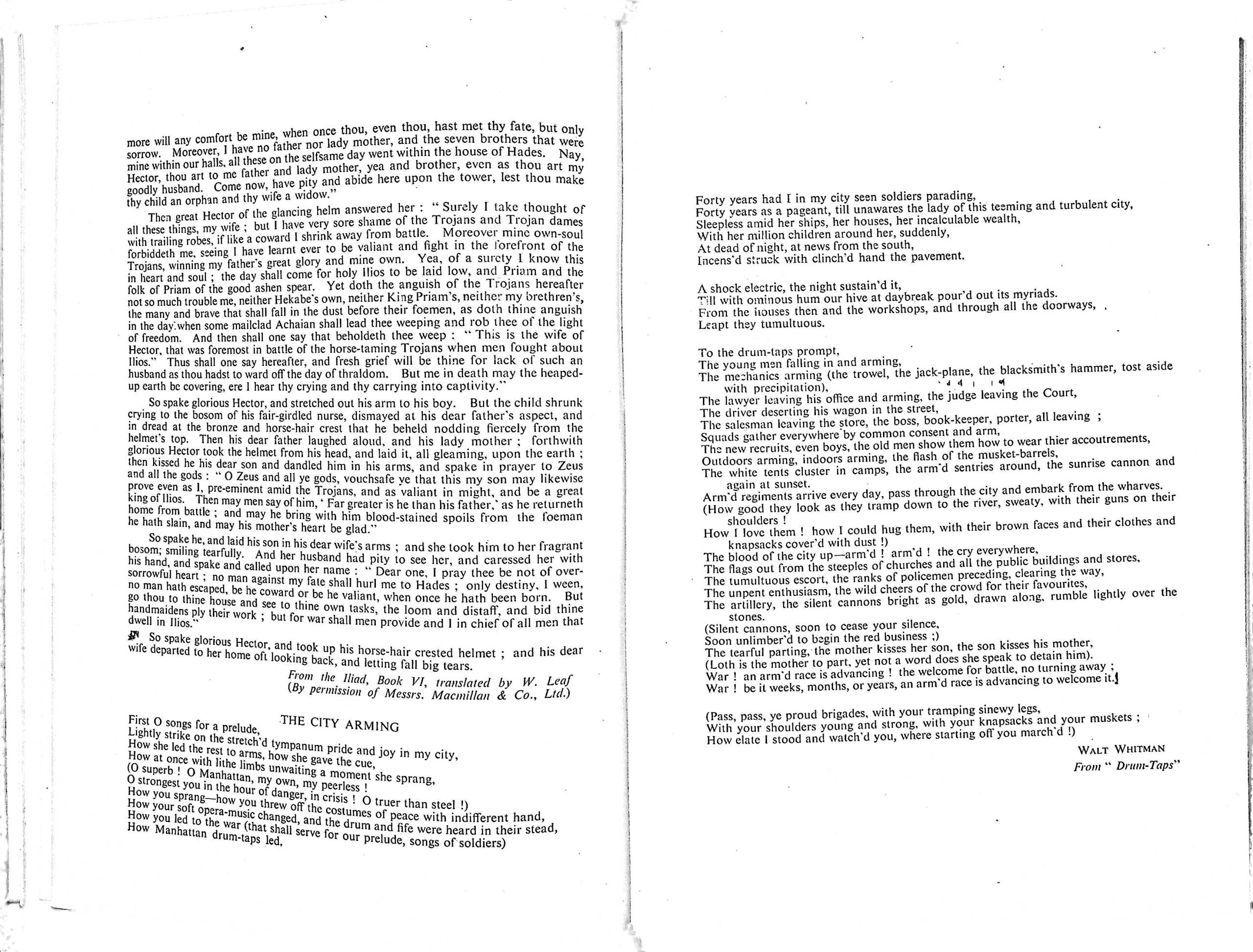
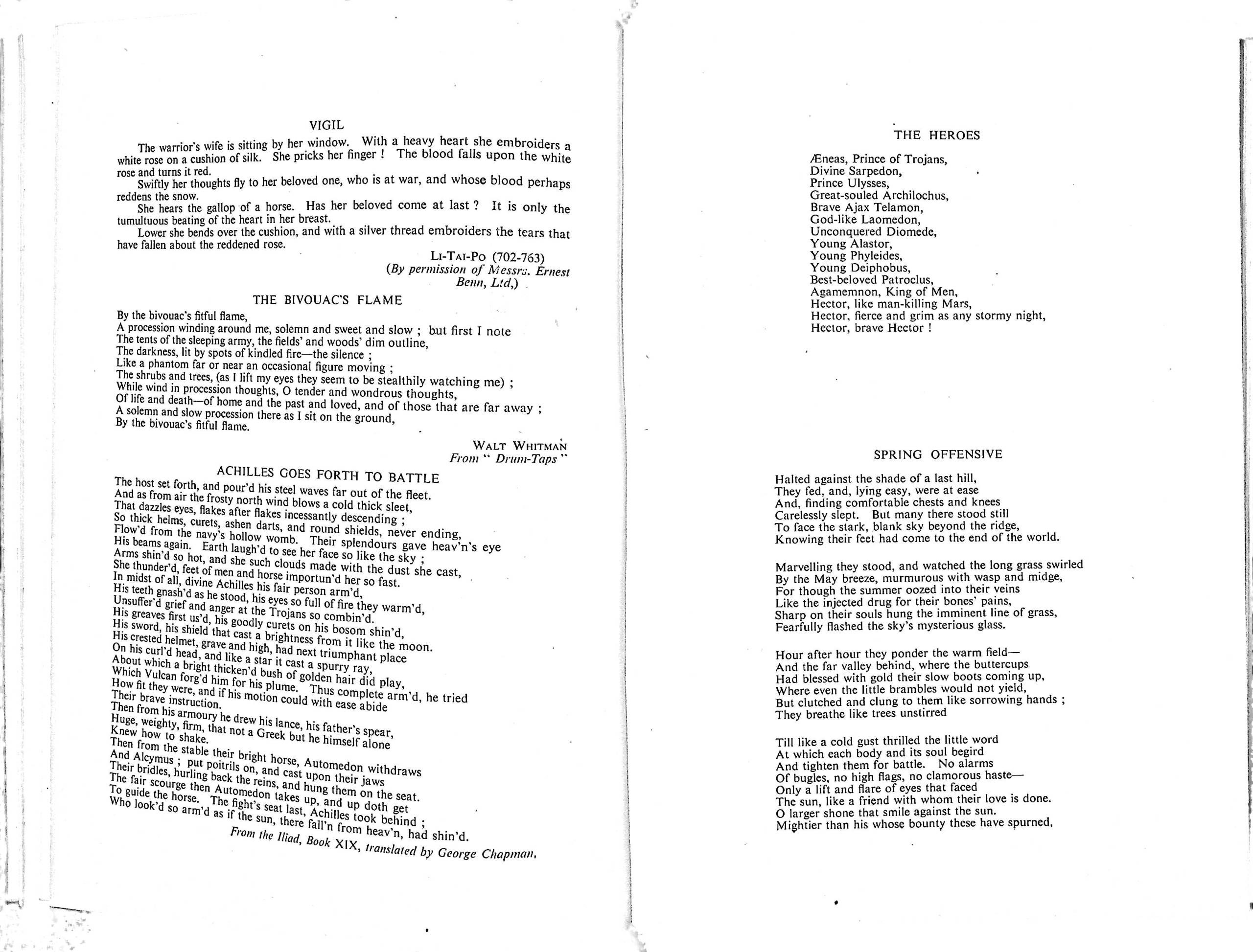
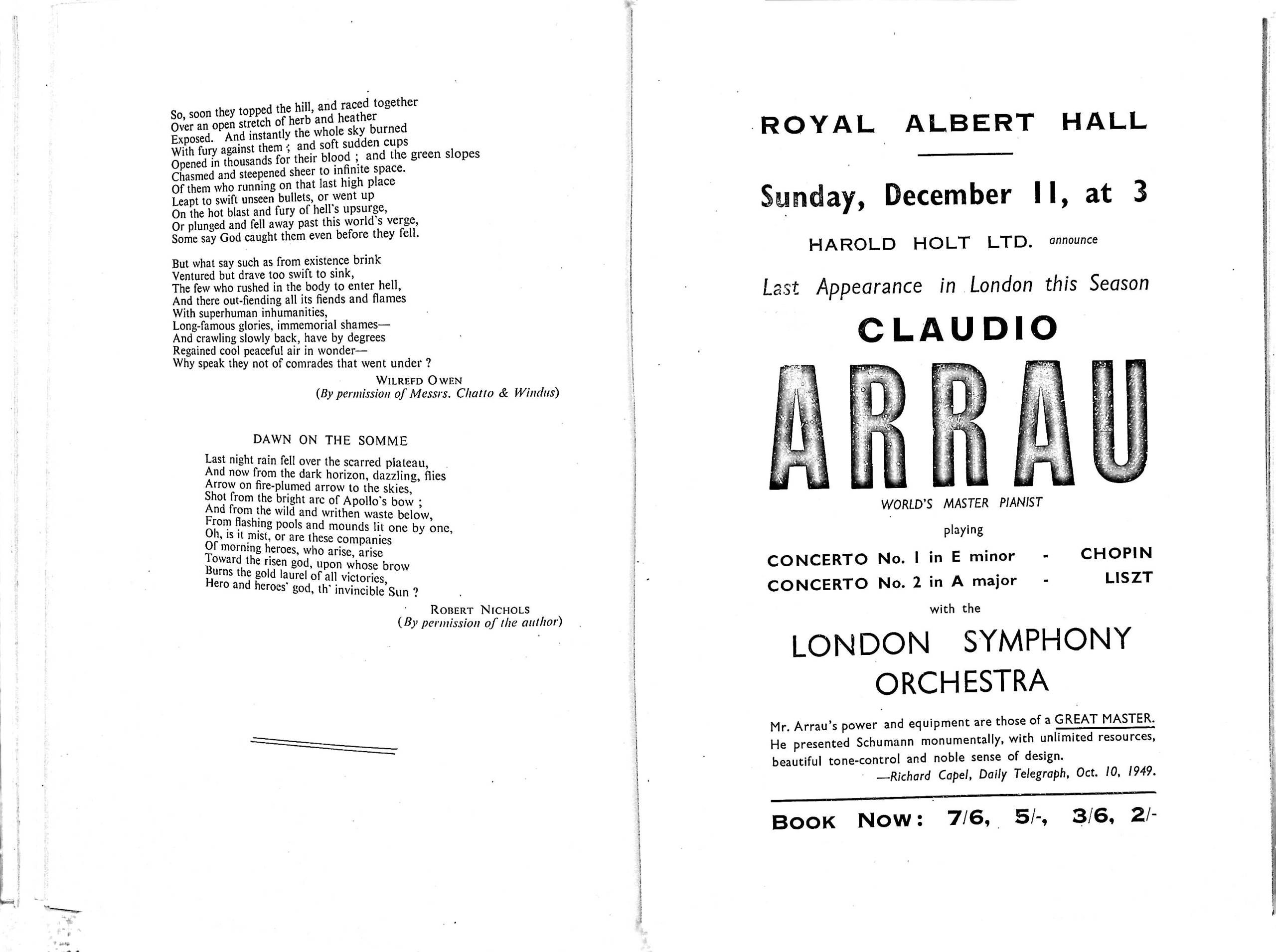
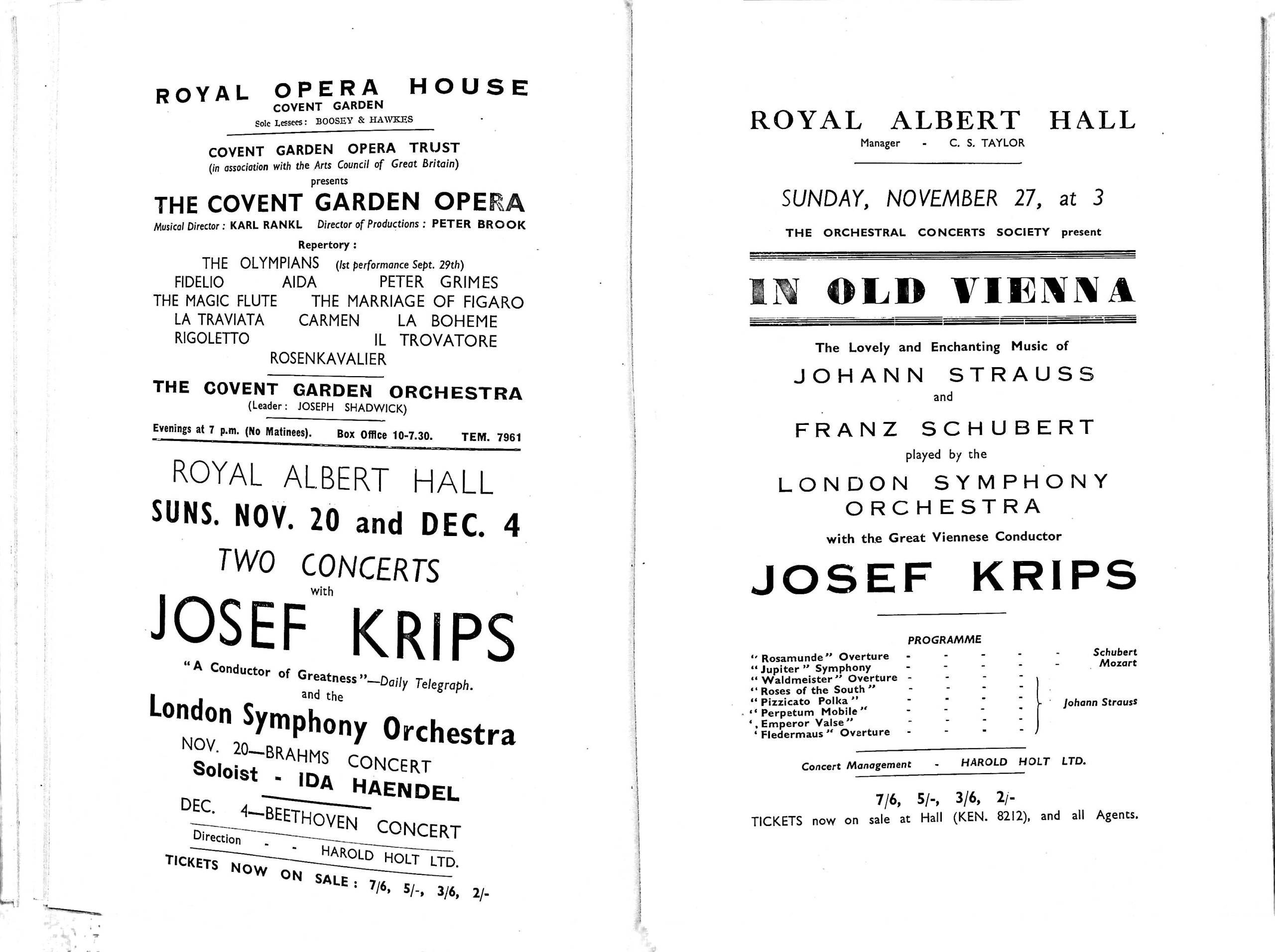
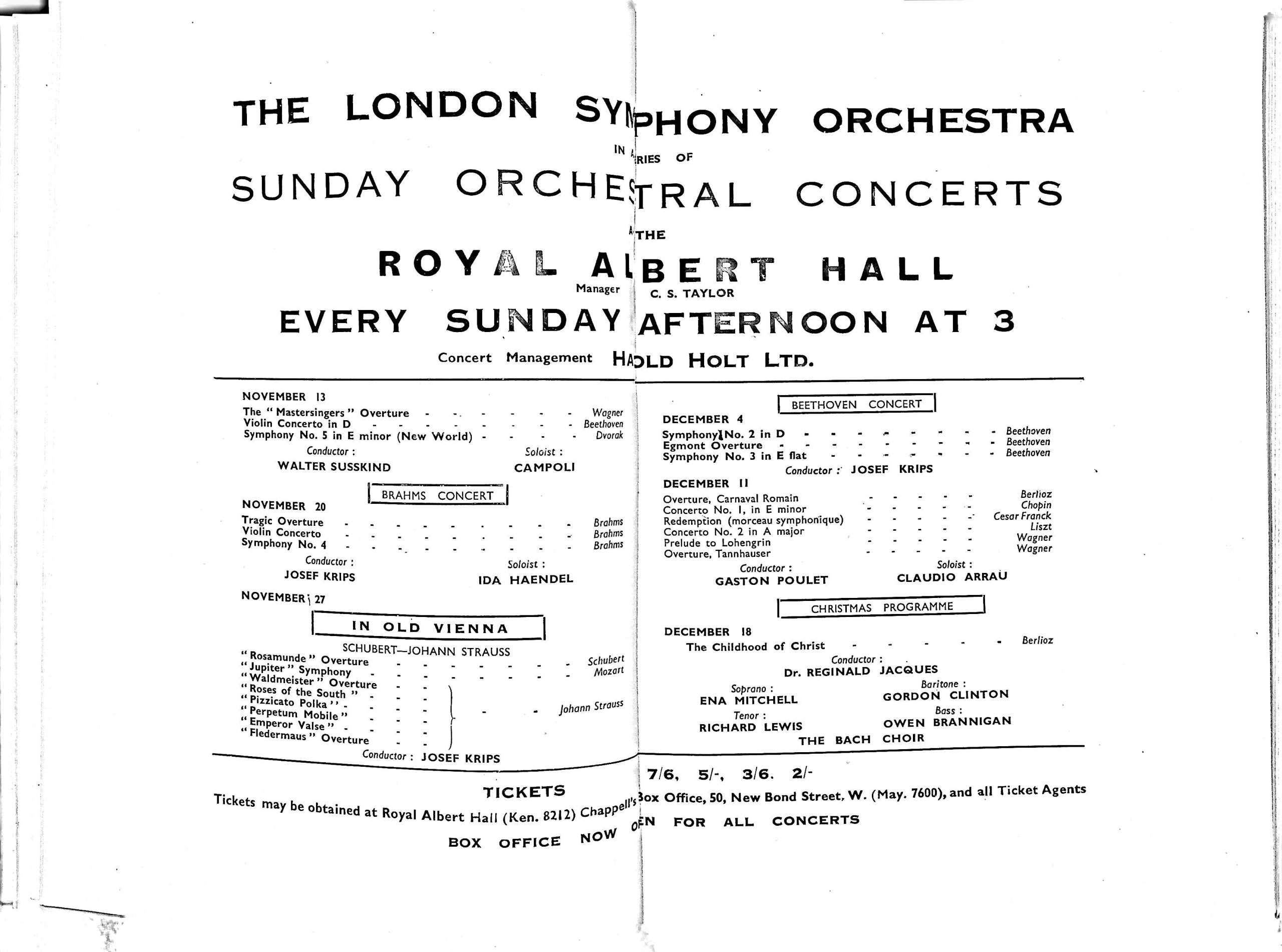
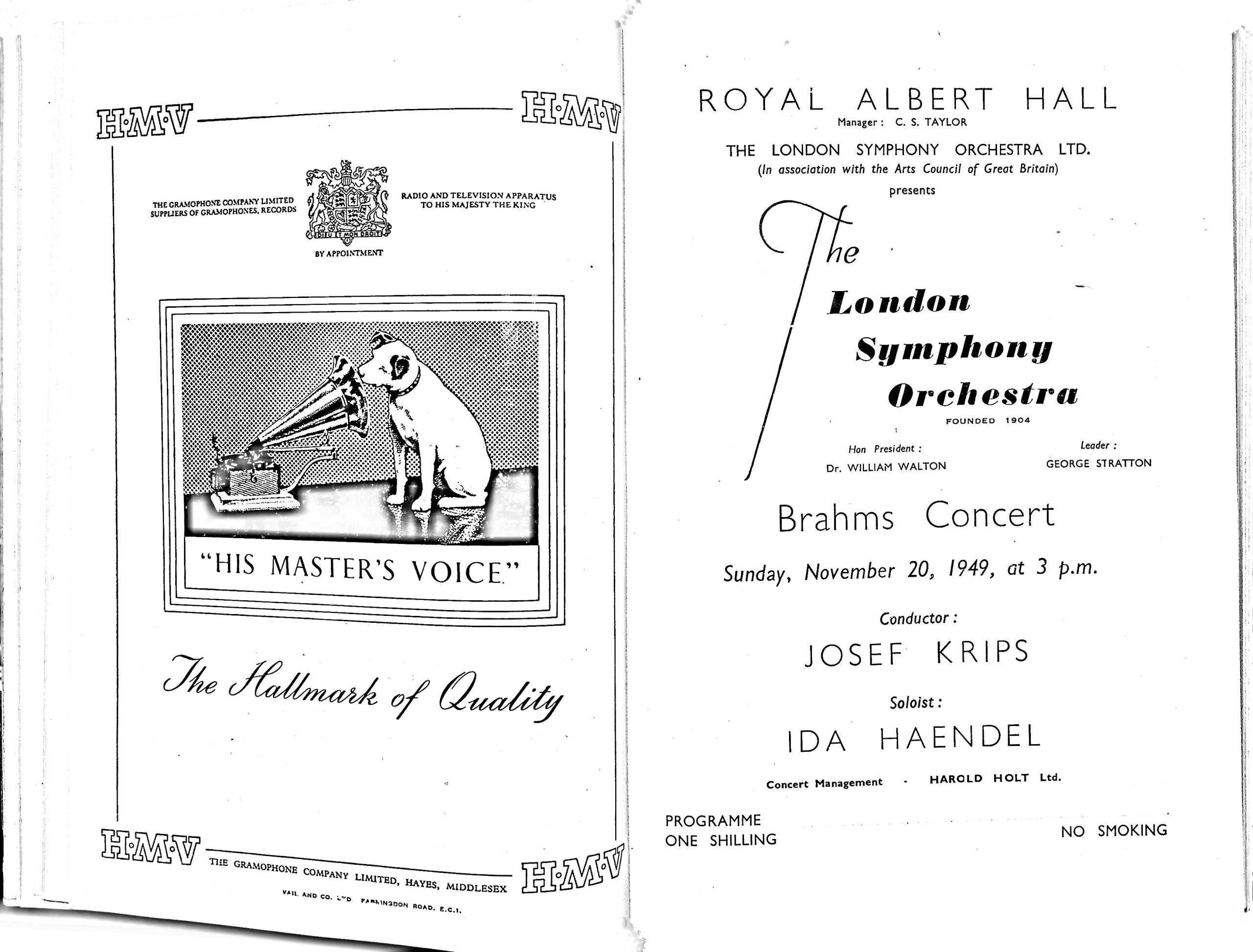
The LSO has premiered a number of major Vaughan Williams’ works. In 1910, the Orchestra presented the first performance of the Fantasia on a Theme of Thomas Tallis, with the composer himself conducting. We were also closely involved with the ‘London’ Symphony, giving the premiere of the first revised version (conducted by Adrian Boult) in 1918, and of the second revised version two years later. In 1938, members of the Orchestra participated in the premiere of Serenade to Music, with the combined London orchestras under Sir Henry Wood. And in 1946, we gave the first performance of the Concerto for Two Pianos and Orchestra, with Cyril Smith and Phyllis Sellick as soloists and Boult once again on the podium. Vaughan Williams returned to conduct a Remembrance Day concert with the LSO in 1949 at the Royal Albert Hall, featuring his Symphony No 6.
Composer Connections
Vaughan Williams had two famous ancestors, biologist Charles Darwin and potter Josiah Wedgwood, and was a contemporary of Serge Rachmaninoff, Maurice Ravel, Dmitri Shostakovich, Arnold Schoenberg and Gustav Holst, the latter becoming a lifelong friend. He tended to keep his views on younger, more progressive, composers to himself, but was known to have adored J S Bach, Giuseppe Verdi and Richard Wagner, felt ambivalent about Gustav Mahler (whom he called ‘a tolerable imitation of a composer’) and hated the Romantics Hector Berlioz and Franz Liszt.
Listen to Vaughan Williams live
Upcoming concerts featuring music by Vaughan Williams.

Half Six Fix: Vaughan Williams
Sir Antonio Pappano
Wednesday 25 November 2026 • 6.30pm
Sir Antonio Pappano explores Vaughan Williams’ ‘Pastoral’ Symphony and Symphony No 8, from wartime reflection to a playful, uplifting British classic.
Limited Tickets

Vaughan Williams and Beethoven
Sir Antonio Pappano and Bruce Liu
Thursday 26 November 2026 • 7pm
Sir Antonio Pappano continues his acclaimed Vaughan Williams cycle with Symphonies 3 and 8, and is joined by Bruce Liu for Beethoven's Piano Concerto No 3.
Limited Tickets

Sibelius, Vaughan Williams and Dubugnon
Sir Antonio Pappano and Janine Jansen
Sunday 29 November 2026 • 7pm
Sir Antonio Pappano leads Sibelius, Vaughan Williams’ Sinfonia antartica and Dubugnon’s new violin concerto in a vivid, cinematic programme with Janine Jansen.

Sibelius, Vaughan Williams and Dubugnon
Sir Antonio Pappano and Janine Jansen
Thursday 3 December 2026 • 7pm
Sir Antonio Pappano leads Sibelius, Vaughan Williams’ Sinfonia antartica and Dubugnon’s new violin concerto in a vivid, cinematic programme with Janine Jansen.
Written by Dr Alexandra Wilson
