

Johannes Brahms
Biography, works and influence.
Johannes Brahms (1833–1897) was a one of the most famous Austro-German composers of the 19th century. He wrote orchestral, choral, chamber and piano music and many solo songs, and performed as a solo pianist and conductor.
Who was Brahms?
Before his Big Break
Brahms grew up in Hamburg in North Germany, and his father was a professional musician who played multiple instruments. Brahms learned with excellent local teachers but it wasn’t until he was invited to tour with a violinist in 1853 that he started meeting the stars of the day: above all, Clara and Robert Schumann. He got his first pieces into print when he was 20, thanks to the Schumanns.
The Move to Vienna
In 1862, Brahms visited Vienna and soon after took a choral conducting job in the city, which became his new home. He worked steadily to write chamber pieces, songs and increasingly ambitious choral works with orchestra, but although his music was well received, he still hadn’t written a big breakthrough work like a symphony. He also got bored with the admin associated with conducting posts and never held one for long!
International success
In 1869, Brahms’ choral piece A German Requiem became the work that catapulted him to international attention. It still took him another seven years to finish his First Symphony, but once he’d finally overcome that psychological hurdle (which had taken him almost two decades), he quickly wrote more symphonies to great acclaim. His musical approach was often connected to historical models, in a way that critics and audiences either loved or found too ‘academic’. But he never wrote pastiches: Brahms’s music always sounds like it’s by Brahms. And it can be full of fun and energy, despite his rather grumpy public demeanour.
Later Years
Brahms lived in Vienna for the rest of his life, but travelled for both business and pleasure across Germany, Austria, Italy and modern-day Hungary. He was invited to the UK several times but never made the journey. In his final decade he turned from large-scale orchestral compositions to chamber music and intimate miniatures for piano solo. He died of liver cancer in April 1897, one month before his sixty-fourth birthday.
Johannes Brahms
Born: 7 May 1833, Hamburg, Germany
Died: 3 April 1897, Vienna, Austria
Contemporaries: Clara Schumann, Robert Schumann, Richard Wagner, Johann Strauss II
Best known for: Hungarian Dances, A German Requiem, Symphony No 3
The one piece you have to hear: Symphony No 4
Connection to the LSO: The LSO have recorded all of Brahms’ symphonies including a cycle released on LSO Live
Watch
Brahms’ music performed by the London Symphony Orchestra, at the Barbican and LSO St Luke’s.
Who inspired Brahms?
Brahms is sometimes described as a ‘conservative’ composer, in contrast with his older contemporary Richard Wagner, because he was so deeply interested in the music of past generations. He didn’t attend a music college or university: his father found good local musicians to teach him, whose own interests influenced his own. The works of J S Bach, Beethoven, Mozart and Schubert (whose music was only just starting to enter mainstream concerts) were all deeply important to Brahms. He also studied the works of Robert Schumann, his mentor, with enthusiasm.
As Brahms grew older, performers, composers and scholars became increasingly interested in rediscovering music from the distant past. Brahms himself conducted Renaissance choral pieces by the likes of Heinrich Schütz and Giovanni Gabrielli, much to the bafflement of his audiences. The last movement of his Fourth Symphony is modelled on a theme from a Bach cantata. And throughout his life, he was also a keen arranger of folksongs, which had an impact on his approach to vocal writing more generally.
In Depth
Seven times classical music was used in film
Delve into this list of iconic classical music pieces featured in film which you may recognise.
What are Brahms’ most famous pieces?
Brahms’ breakthrough work, A German Requiem, is an incredible re-imagining of a mass for the dead. It uses many different passages from the German-language Bible to tell a story of consolation and love. The vocal lines are inspired by earlier choral composers like Bach and Handel – but that unmistakable orchestral sound could only come from the 19th century. Compare the barn-storming drama of his Symphony No 1 with the gentle lyricism of Symphony No 2, written just a year later. Two further symphonies followed over the next decade, as did a dazzling Violin Concerto for his friend Joseph Joachim. A virtuoso pianist, Brahms also wrote two piano concertos: the First brash and forceful, the Second full of delicate chamber textures and step-out solos for the orchestra. And there are few more raucous orchestral parties than his Academic Festival Overture, which is packed with student drinking songs.
Among Brahms’ many chamber works, you’ll find two Schubert-inspired string sextets, three dancing piano quartets, and three violin sonatas. His late piano works are a sequence of kaleidoscopic miniatures: intermezzos, rhapsodies and capriccios which are both deeply intimate and – in some cases – ferociously difficult. And of his hundreds of songs, highlights include Die Mainacht and the Biblical Vier Ernste Gesänge; the cheery Liebeslieder for four singers and piano duet; and the folksong arrangements In stiller Nacht and Da unten im Thale.
With the LSO
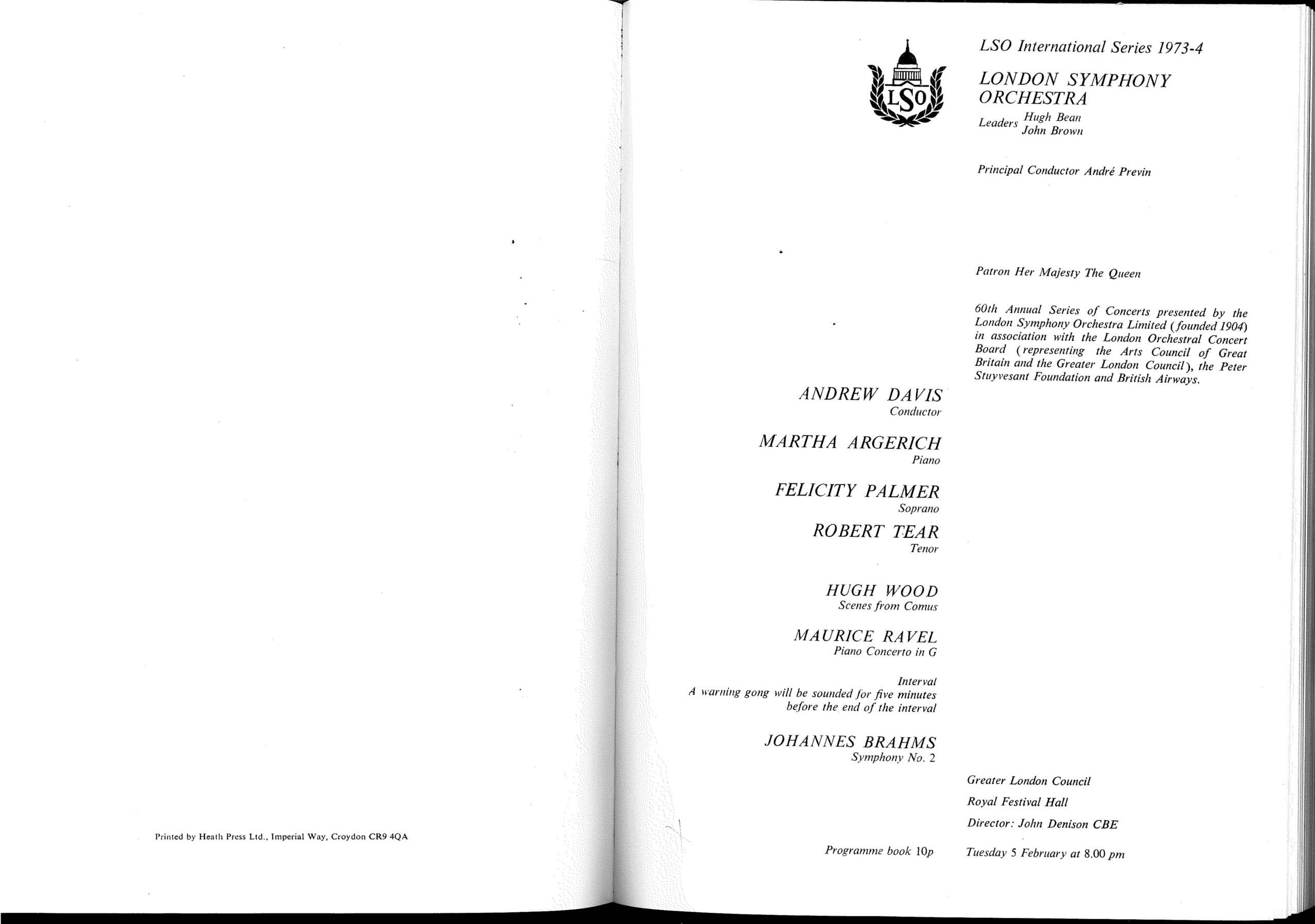
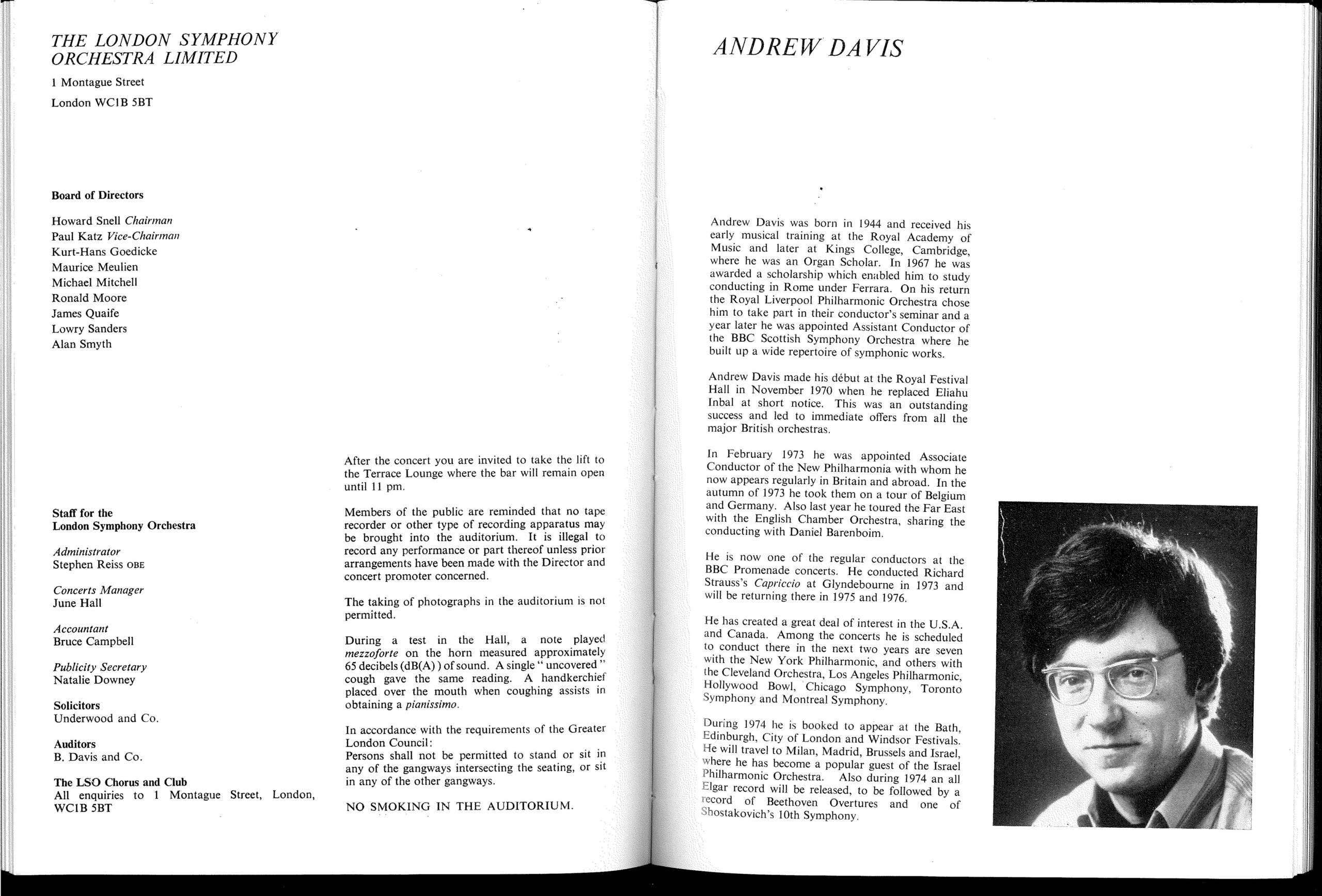
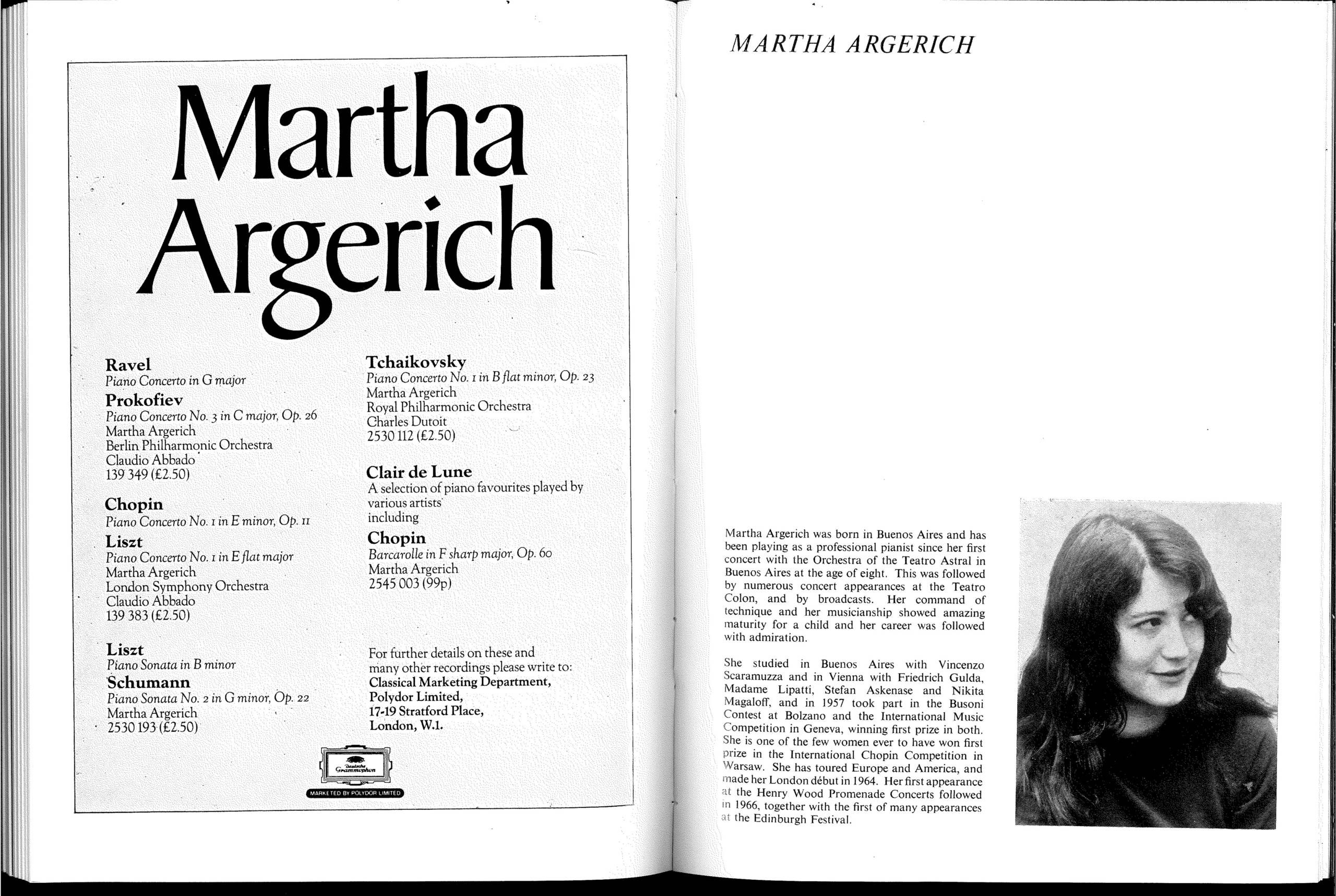
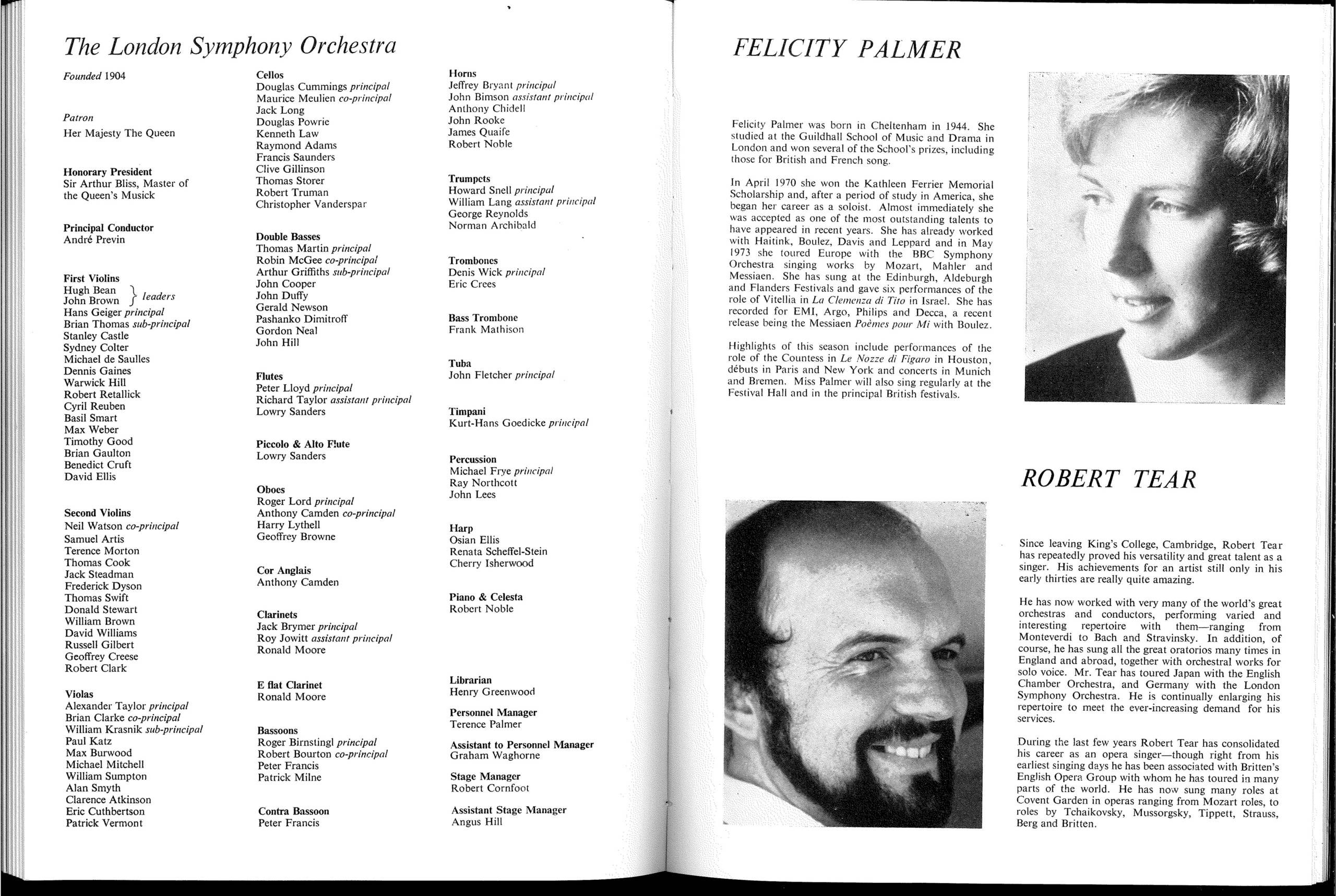
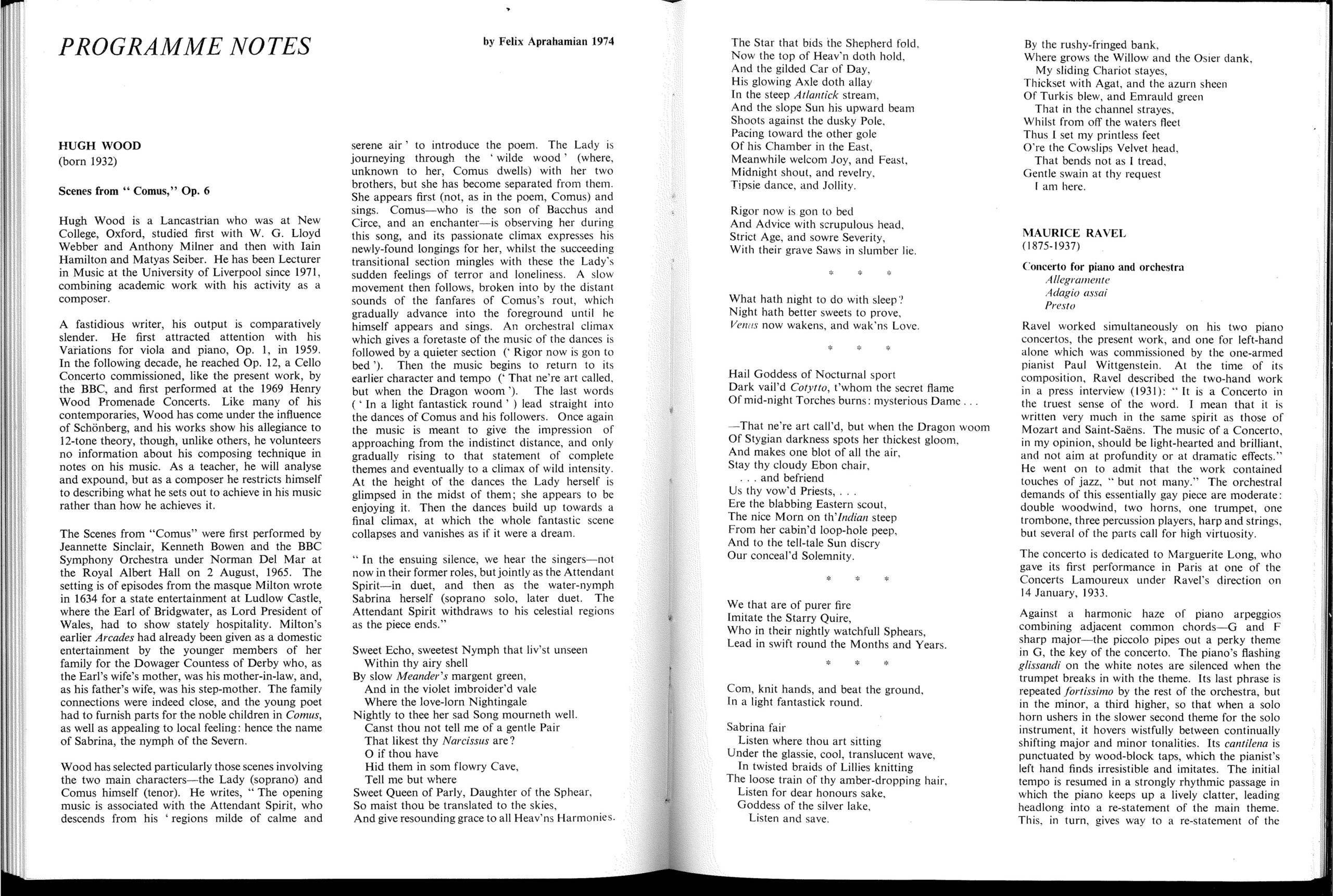
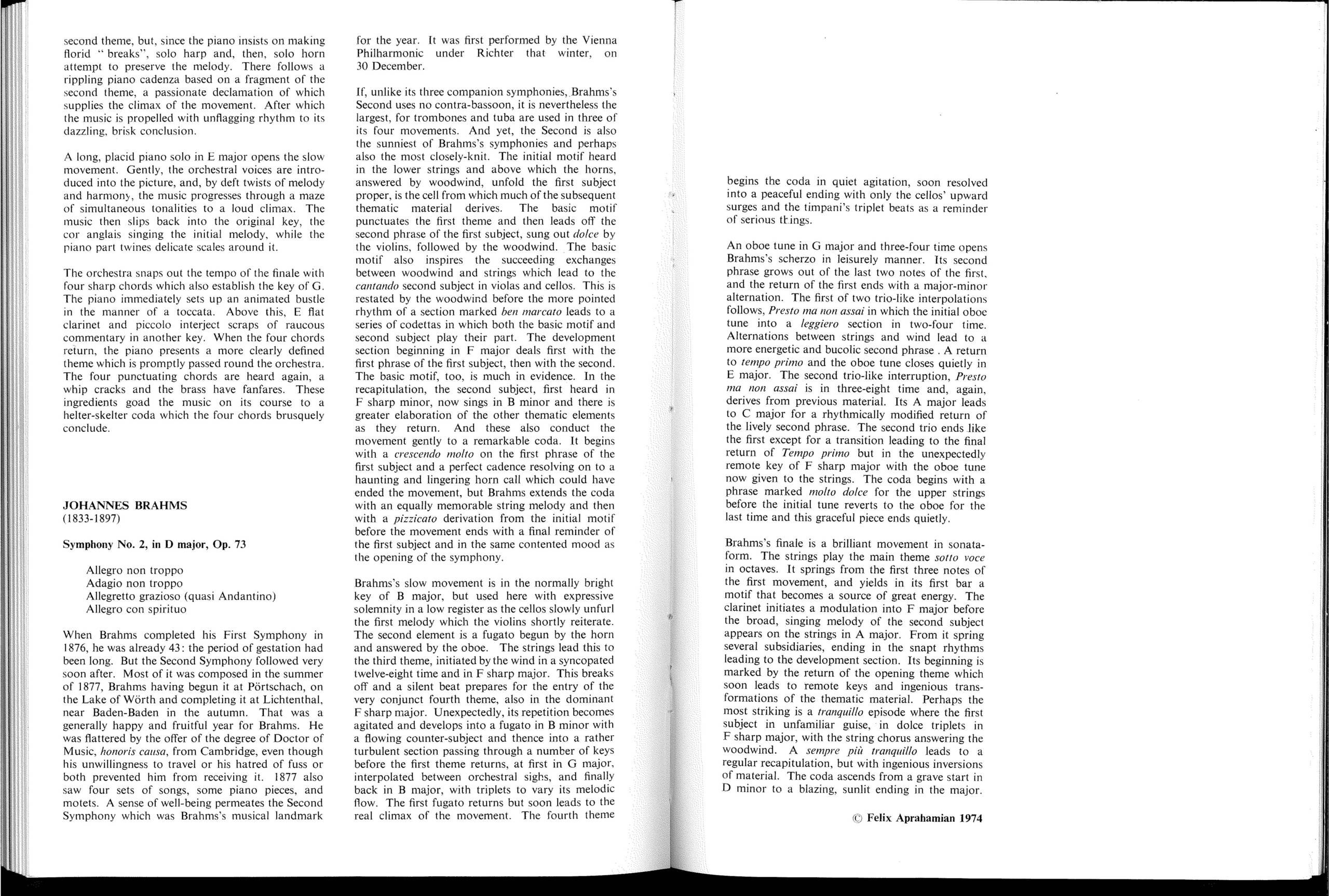
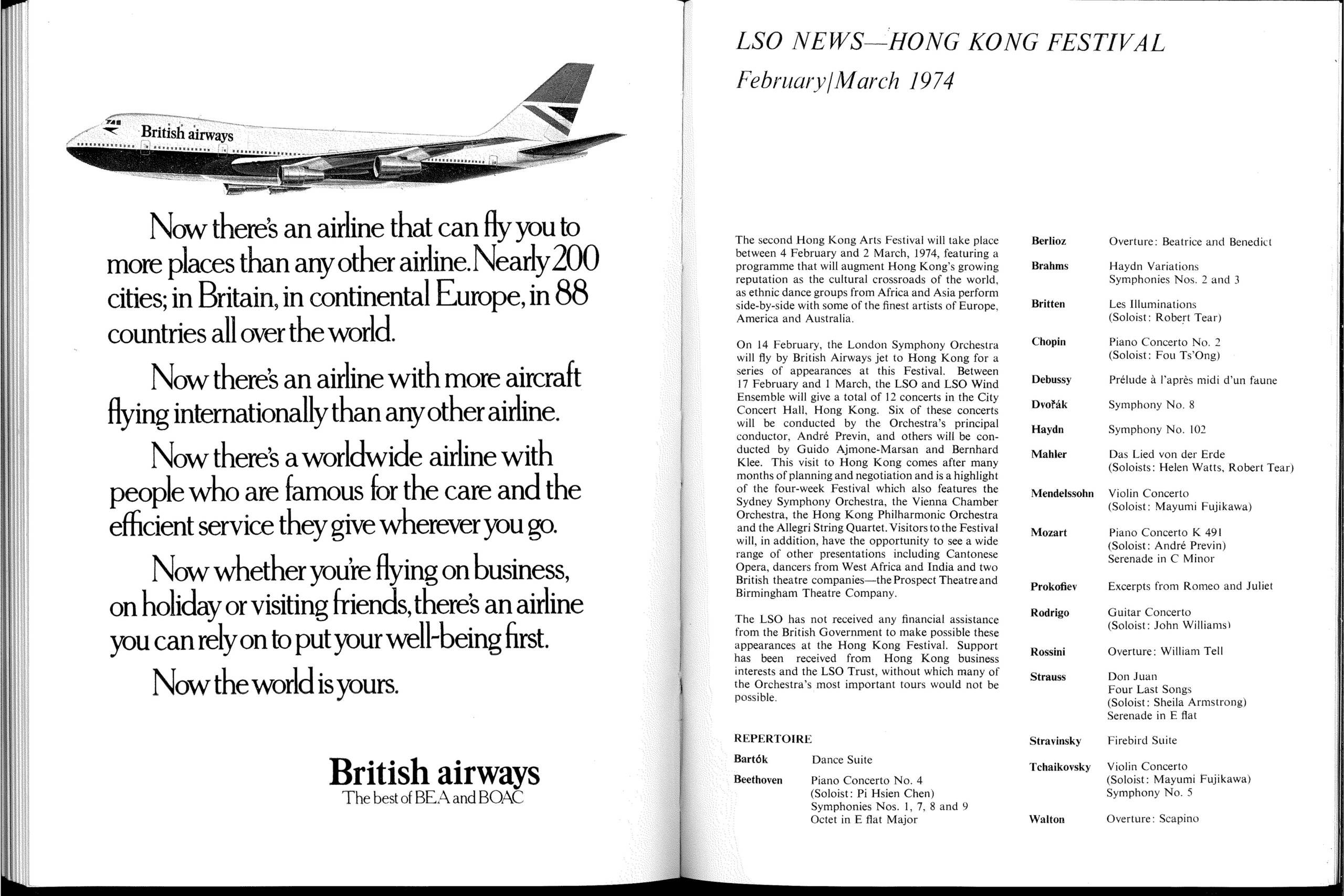
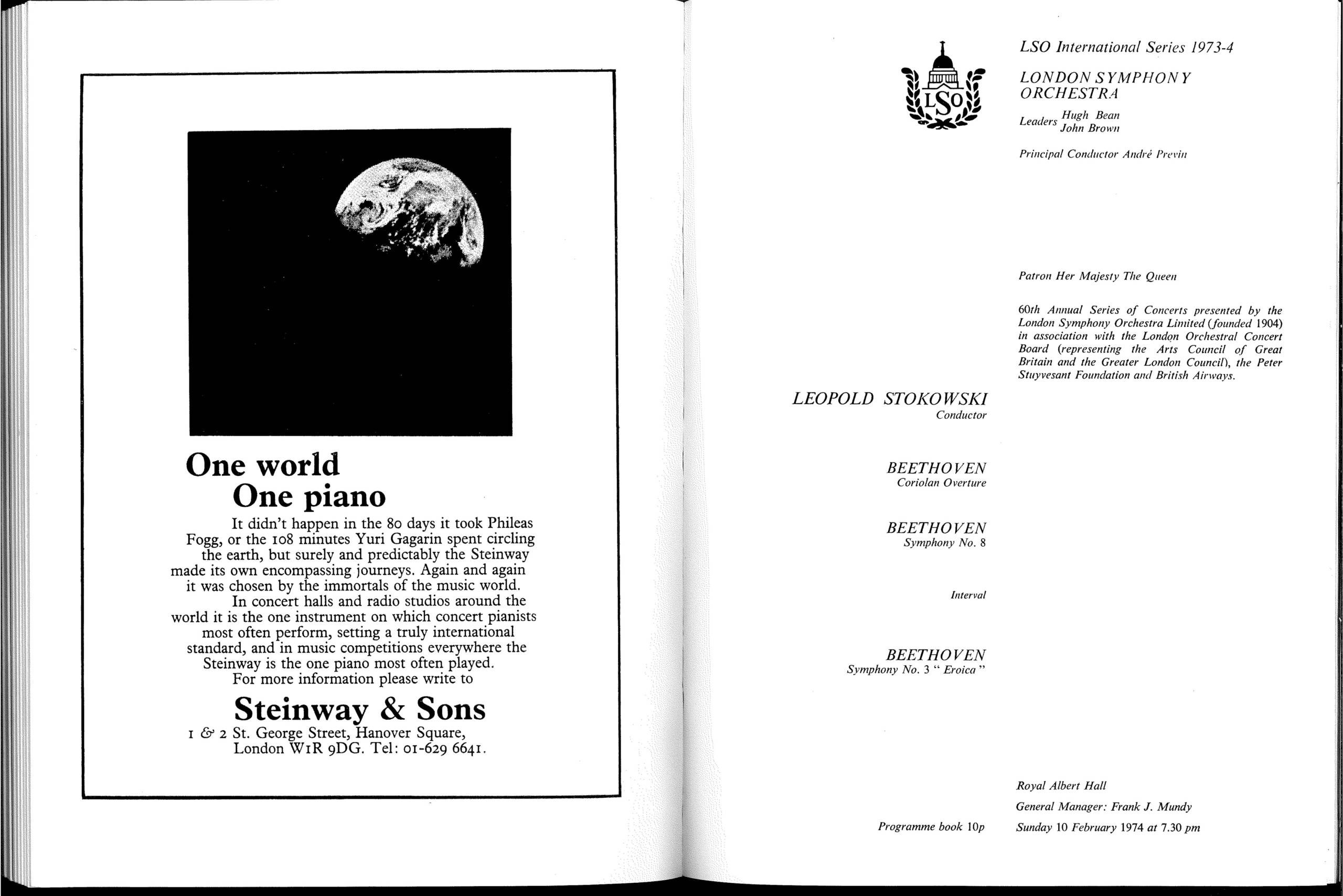
Brahms’ music has featured regularly in both our concerts and recordings since the dawn of the LSO in 1904. Our label, LSO Live, has released a cycle of Brahms’ symphonies, recorded with Bernard Haitink in 2003 and 2004, along with a recording of A German Requiem with André Previn. The concert shown here dates from February 1974, and featured a performance of Brahms’ Symphony No 2 with Andrew Davis.
Composer Connections
Brahms wouldn’t have had the career he did without the friendship of Clara and Robert Schumann, who introduced him to the musical world at large, put him in touch with potential publishers and – in the case of Clara Schumann – performed his works in high-profile concerts across Europe. Robert died just a few years after their first meeting, but Clara remained one of his dearest friends for the rest of their lives. Most of Brahms’ other close friends were either not professional musicians (though all were very capable amateur players), or composers whose names are now largely forgotten. He was quietly respectful of Richard Wagner, despite their very different approaches to musical creation, and actively loathed Anton Bruckner. His favourite opera was Bizet’s Carmen, though he and the Frenchman never met. And he had great respect for Edvard Grieg, Antonín Dvořák – whose music he recommended to his own publisher – and Johann Strauss II, the ‘Waltz King’ of Vienna. When Strauss’ step-daughter Alice asked for Brahms’ autograph, he wrote the first few bars of The Blue Danube on Alice’s fan, and then signed it underneath: ‘Unfortunately not by Johannes Brahms.’
Listen to Brahms live
Upcoming concerts featuring music by Brahms.

Dutch Masters: Janine Jansen and Sir Antonio Pappano
BBC Radio 3 Lunchtime Concert
Wednesday 2 December 2026 • 12.30pm
Violinist Janine Jansen joins the LSO's Chief Conductor Sir Antonio Pappano for a chamber concert in the intimate setting of LSO St Luke's.
Written by Katy Hamilton
